Regenerative Farming
Bamboo biochar: better soil, less water and carbon stored underground | KAZANG
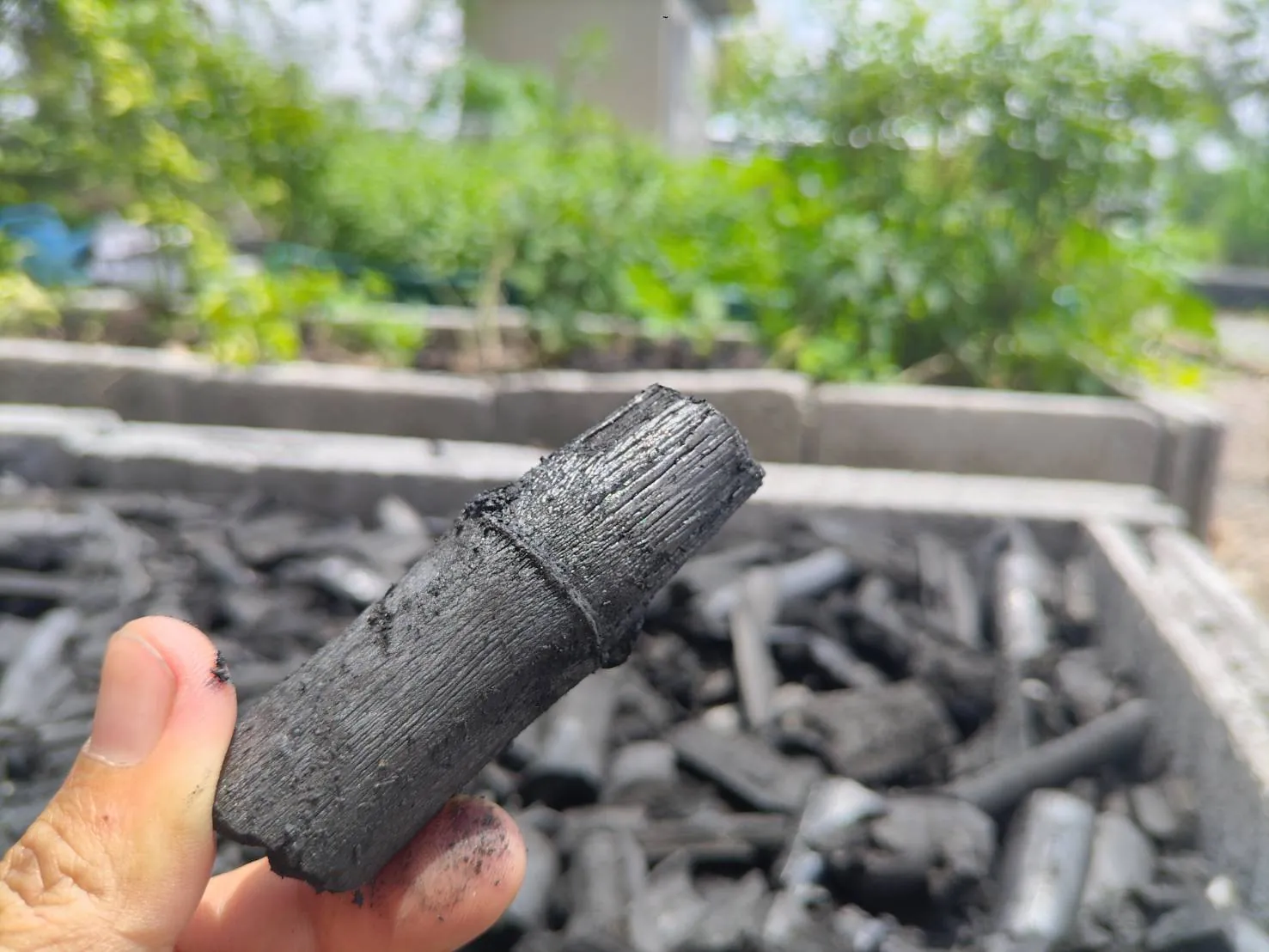
Biochar is charcoal produced from biomass such as bamboo through pyrolysis — heating with limited oxygen — and intended for soil rather than fuel.
How biochar helps soil
- Improves structure, especially in sandy, degraded soils common in Northeast Thailand.
- Holds water in its pores, reducing irrigation in the dry season.
- Hosts beneficial microbes on its vast internal surface.
- Helps retain nutrients near plant roots.
Biochar and carbon storage
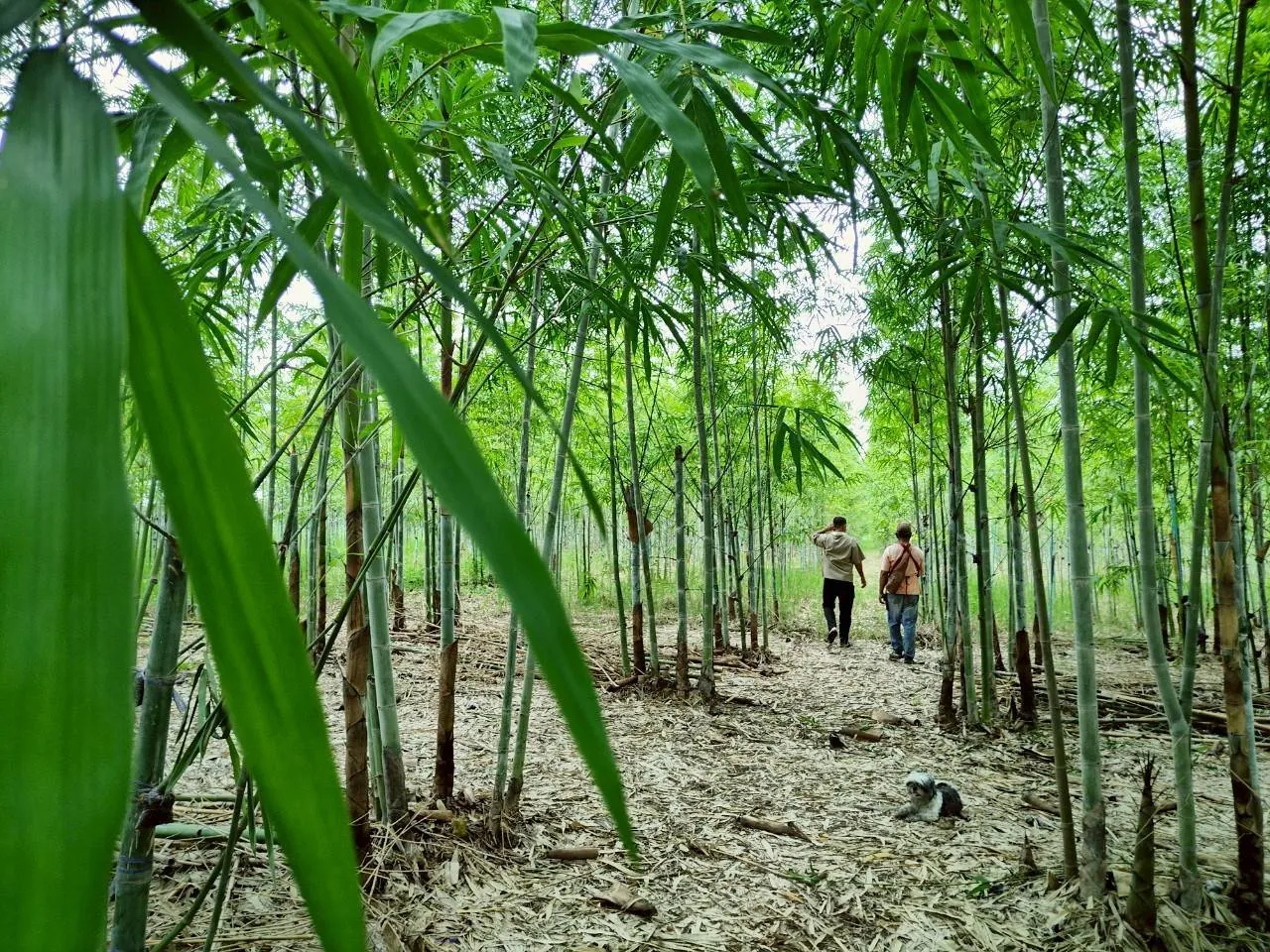
Plants capture CO₂ as they grow. Burned or decomposed biomass releases it again, but when converted to biochar and added to soil, most of the carbon is held in a stable form for a long time — which is why biochar is discussed as a carbon dioxide removal approach. Fast-regrowing bamboo, including off-cuts and low-grade culms, is an efficient feedstock.
Charge it first
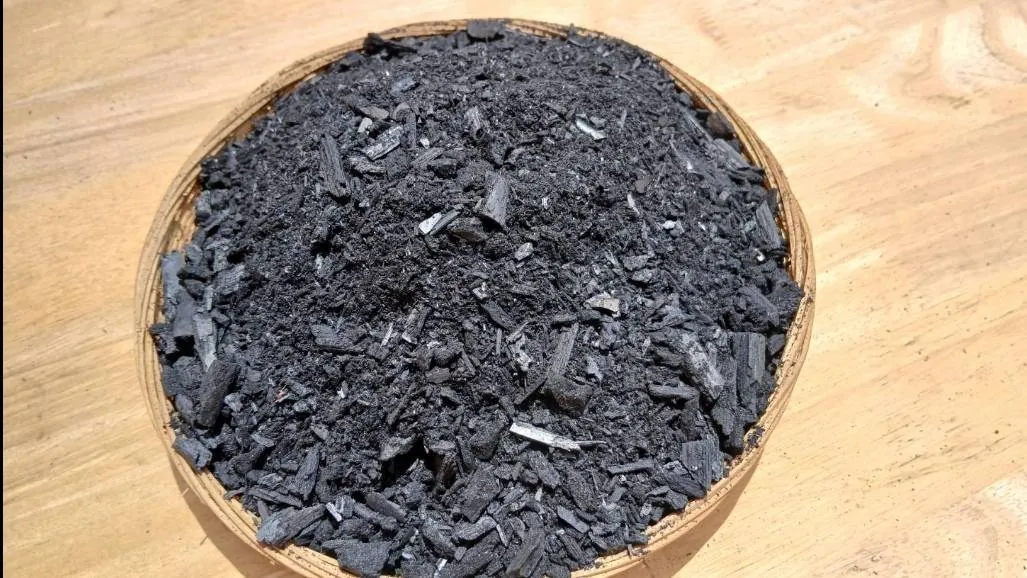
Fresh biochar is like a dry sponge. Co-compost it with manure, compost or bio-ferment for one to two weeks before use. As a starting point, mix around 5–10% by volume into potting media, start small and observe.
The KAZANG team has run biochar training for farmers and youth, sells bamboo biochar and helps design community biochar projects. Talk to us.